Disease control in dwarf beans and peas
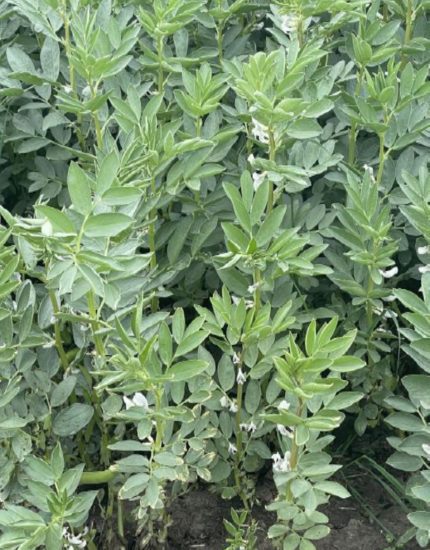
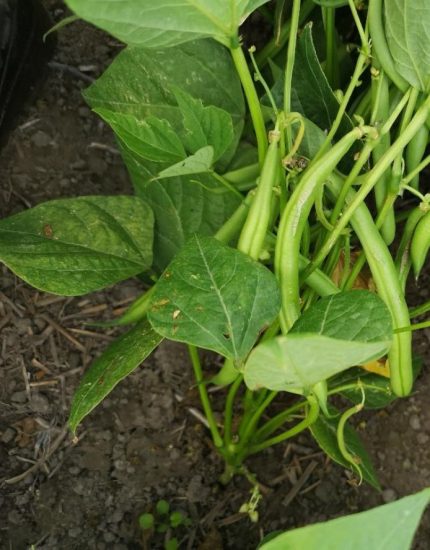
This Process Vegetables NZ-A Lighter Touch project focused on soilborne disease (SBD) control in two process vegetable crops, dwarf beans and peas. It was established to provide strategies to help growers minimise yield and financial losses caused by SBD.
The project involves A Lighter Touch, Processed Vegetables NZ, processing companies, Heinz-Wattie’s (KraftHeinz) and McCain Foods, and research partner Bioeconomy Science Institute – Maiangi Taiao.
The control options available to growers for key soilborne diseases (SBD) is limited by both the small number of products registered for use on the two crops in New Zealand and by international market restrictions on maximum residue levels.
Fusarium in peas, commonly known as root rot, can reduce marketable pea yield by 10-30%, and Sclerotinia sclerotiorum (white mould) in dwarf beans, can reduce pod yield by 10-15% and cause post-harvest damage.
Four years of replicated field trials were undertaken to evaluate the efficacy of a range of biological products, including bio-fungicides and bio-stimulants, for control of the two diseases. The multi-year trials were undertaken in Canterbury and in Hawke’s Bay.
The aim was to evaluate product efficacy and demonstrate to growers and agronomists how these products can be incorporated into integrated pest management programmes in commercial growing systems.
The project findings are being developed into a grower toolkit with practical guidance that supports on-farm decision making and adoption of biological tools soilborne disease management.
Read about this project:
September 2023: Trials seeking biological solutions for peas and beans
February 2025: Biologicals show promise in peas and bean trials
April 2025: Multiple benefits emerging from biologicals project
March 2026: Progress with biologicals for fungal disease control in peas and dwarf beans
October 2026: Grower toolkit focuses on SBD in process crops
Find out about results of earlier field trials of new fungicides for Sclerotinia control in dwarf beans.