

A new toolkit is being developed to help growers of process vegetable crops to better manage soilborne diseases using practical, on-farm strategies.
The grower resource will draw on practical insights and best practice management of soilborne diseases gained through four years of trial work undertaken as part a project focusing control of sclerotinia in dwarf beans and fusarium in peas. The project involves A Lighter Touch, Process Vegetables NZ, processing companies, Heinz-Wattie’s (KraftHeinz) and McCain Foods, and research partner Bioeconomy Science Institute – Maiangi Taiao.
The project was established to provide strategies to help growers minimise yield and financial losses caused by soilborne diseases. The control options available to growers for key soilborne diseases (SBD) is limited by both the small number of products registered for use on the two crops in New Zealand and by international market restrictions on maximum residue levels.
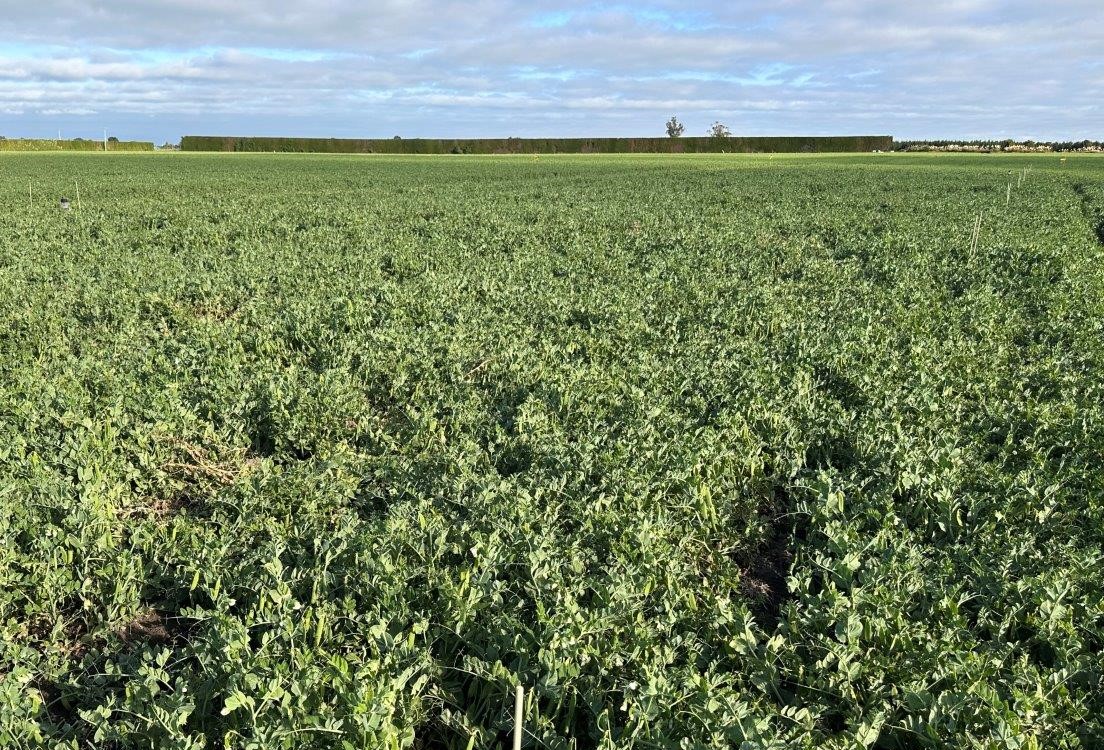
Canterbury pea trial. Credit: Nigel Rowe-Lucas
Fusarium in peas, commonly known as Fusarium root rot, can reduce marketable pea yield by 10-30%, and Sclerotinia sclerotiorum (Sclerotinia white mould) in dwarf beans, can reduce pod yield by 10-15% and cause post-harvest damage.
Four years of replicated field trials were undertaken to evaluate the efficacy of a range of biological products, including bio-fungicides and bio-stimulants, for control of the two diseases. The multi-year trials were undertaken in Canterbury and in Hawke’s Bay.
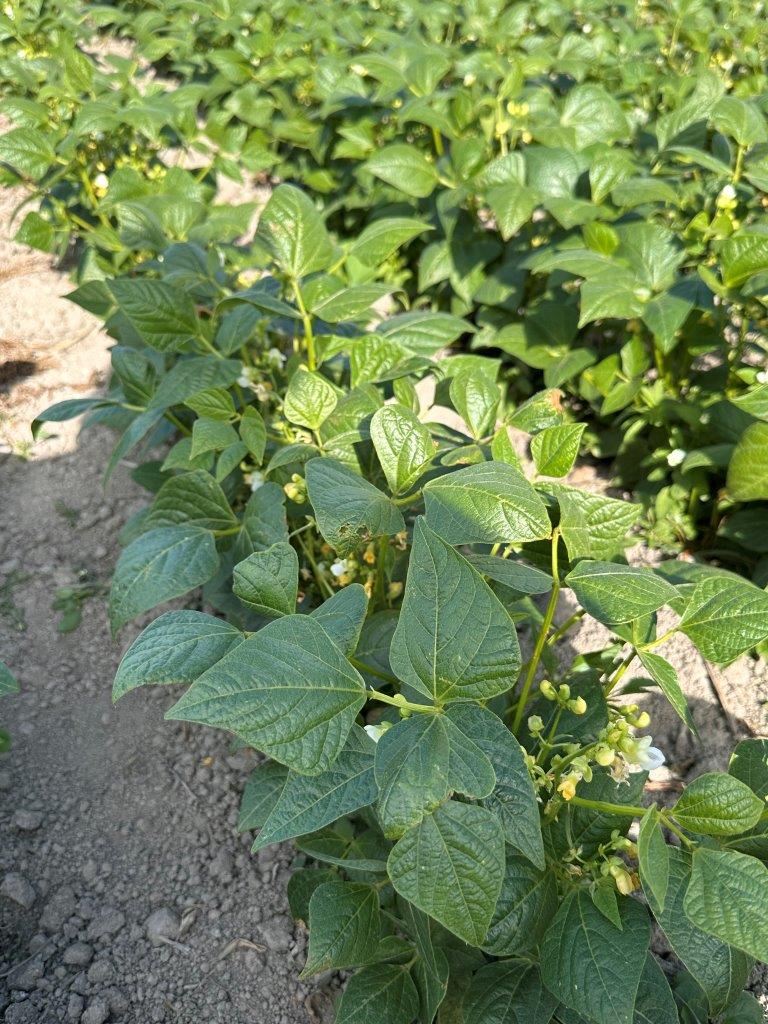
Dwarf bean crop. Credit: Nigel Rowe-Lucas
The aim was to evaluate product efficacy and demonstrate to growers and agronomists how these products can be incorporated into integrated pest management programmes in commercial growing systems.
The project findings are now being incorporated into a toolkit to provide growers with practical guidance that supports on-farm decision making and adoption of biological tools for soilborne disease management.
Similar to the New Zealand Buttercup Squash Council-ALT Buttercup Squash Soilborne Disease Toolkit, it will be designed as a user-friendly resource, outlining strategies growers can consider to reduce the impact of soilborne diseases. These include:
- biological control strategies,
- designing a crop rotation with suitable partner crops,
- the correct use of service crops and optimum management, and
- planning and integrated management of the pea and dwarf bean crops to optimise soil health and minimise the risk of soilborne diseases.
The toolkit is expected to be published early next year, before ALT ends in March 2027. It will be shared at industry events, via the ALT newsletter and other sector group communication channels, as well as on the ALT website and LinkedIn page.
