Biodiversity economics
Biodiversity economics is a cross-sector project funded by A Lighter Touch focused on finding out the commercial implications of investing in biodiversity.
The project takes a cost-benefit analysis approach to the practice of on-farm biodiversity, with the goal of creating a tool that has the potential to be adapted for use across crops, production systems and regions.
ALT will work with Lincoln University and Bioeconomy Science Institute (BSI), Plant and Food Research group on five project components:
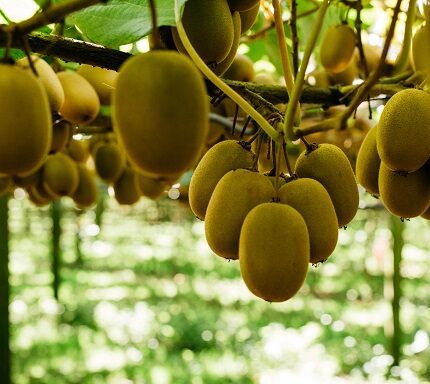
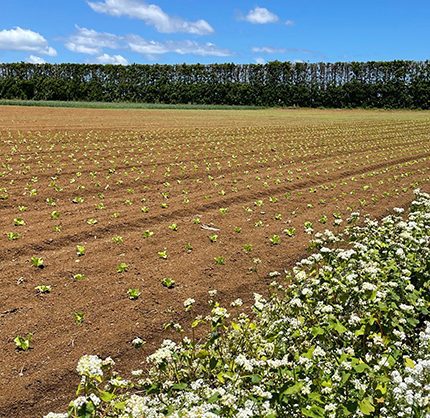
- Farm level modelling to be constructed based on a Te Puke kiwifruit orchard, and four-crop rotation farms in Canterbury and a North Island site
- Development of the cost-benefit analysis tool
- A literature view of international research into potential values of beneficial biodiversity, relevant to IPM and on-farm biodiversity enhancement
- Data generation to quantify how biodiverse plantings support biological control of pests
- Extension workshops to share learnings and tools with growers, advisors and others in the industry.
Once developed, the tool will allow growers investigating the economic impact of a biodiversity investment to get answers based on their specific situation.
Three ALT programme partners, the Foundation for Arable Research (FAR), Vegetables NZ and Zespri, are testing the tool to provide feedback to ensure practicality, usability, functionality and suitability for growers. Developed by John Saunders and Peter Tait of Lincoln University, the tool will be published on the ALT website this summer.
Read more about the project below:
- Quantifying return on biodiversity investment (January 2026)
- Building the evidence for biodiversity investment (November 2026)
- Biodiversity Enhancement and Pest Management in NZ Horticulture: Grower Survey Findings (November 2026)