
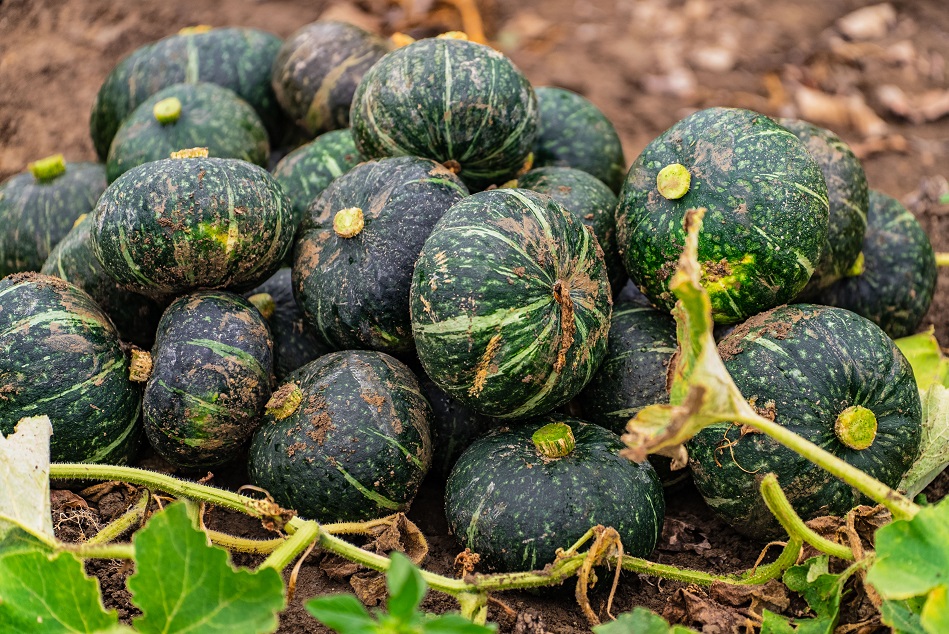
Key recommendations for buttercup squash growers to manage soilborne diseases (SBD) include integration of cultural practices, biological control, use of service crops, and crop rotation.
Soilborne diseases can cause major vine decline and canopy loss in buttercup squash produced in New Zealand, and cost growers an average of $20 million a year in lost revenue.
These recommendations are explored in detail in the literature review undertaken as part of the A Lighter Touch-New Zealand Buttercup Squash Council SBD management project. It provides an overview of SBD of buttercup squash which are present in New Zealand and includes a comprehensive assessment of potential methods to control these diseases based on literature and research.
The authors of the review identified more research is required in relation to the use of biological control agents, soil amendments (or conditioners), and use of service crops and their residues. A diagnostic tool to quantify pathogen inoculum levels in the soil requires further work but would greatly enhance targeted management.
For improved, targeted disease control, the review found these knowledge gaps need to be addressed.
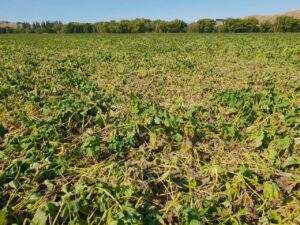
Squash crop collapsing pre harvest. Credit: Dereck Ferguson
Download the review of SBD management in buttercup squash here.
