

Field trials across broccoli, passionfruit and summerfruit have demonstrated the potential of biologicals and reduced-copper treatments for bacterial disease management.
The trials aimed to assess the effectiveness of alternative, low-residue biological and soft chemical fungicide products in managing bacterial blast (Pseudomonas syringae) and bacterial spot (Xanthomonas campestris) in summerfruit, brown spot (Alternaria passiflorae) and grease spot in passionfruit (Pseudomonas passiflorae), as well as head rot in broccoli caused by Pseudomonas fluorescens.
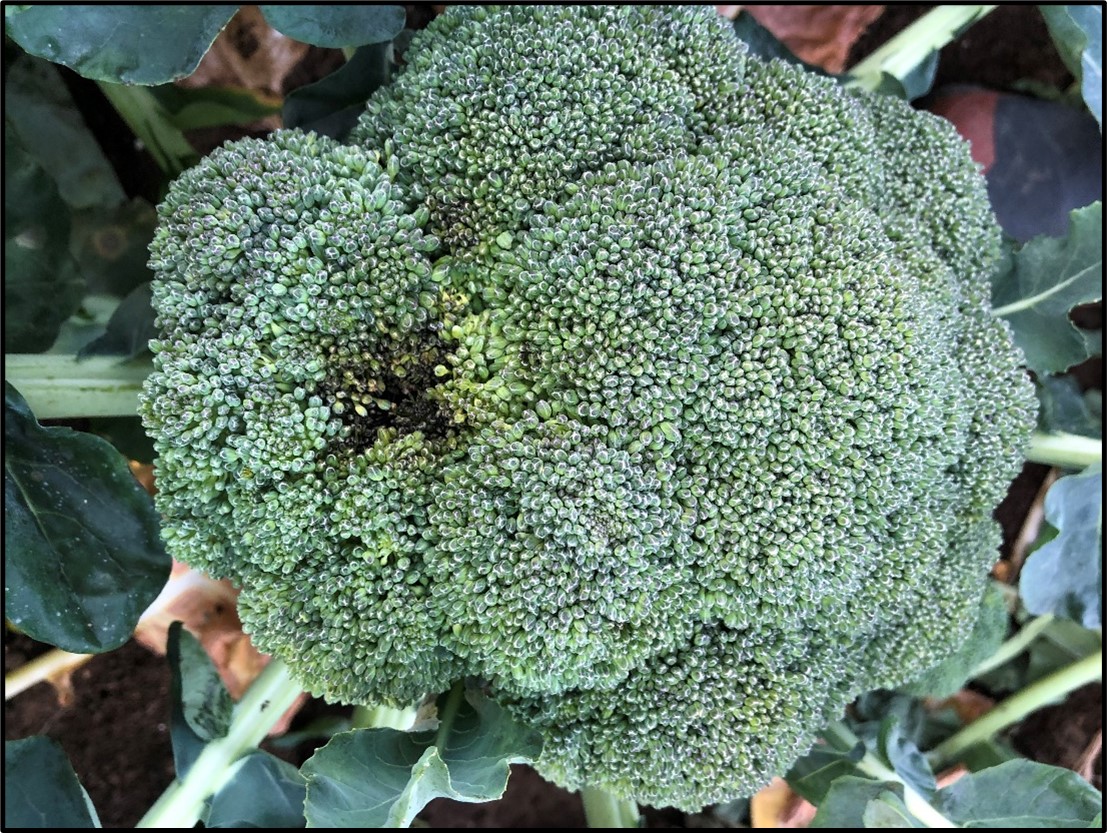
Bacterial head rot in broccoli. Credit: Paul Munro
Bacterial diseases are a priority crop protection gap for several A Lighter Touch sectors. There is a desire to reduce reliance due to limitations associated with the ongoing use of copper-based products.
A Lighter Touch technical lead Bruno Gatimel says the findings support the potential integration of biopesticides and reduced–copper formulations into sustainable disease management programmes, although further validation under commercial conditions is required.
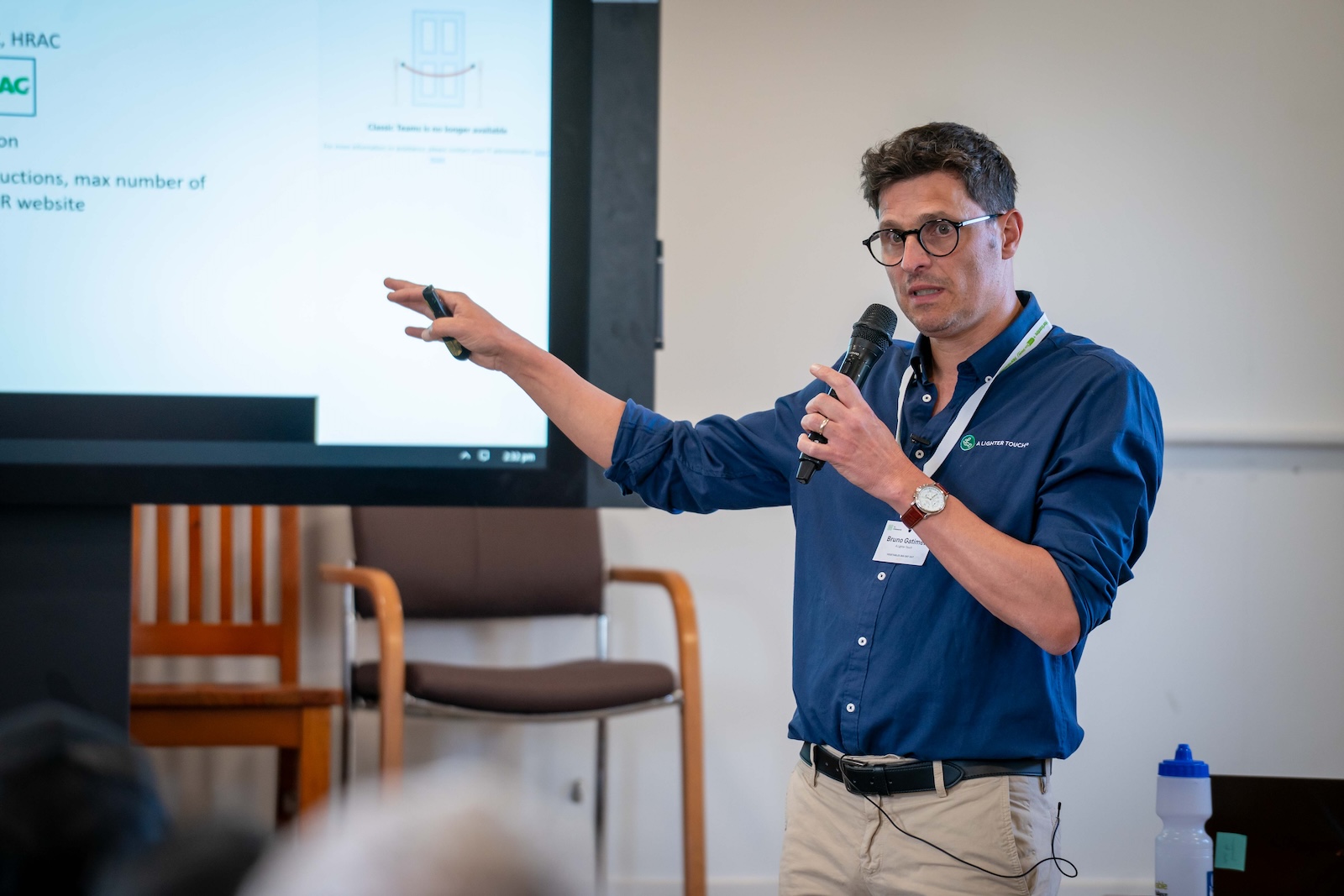
ALT Transitional Lead Bruno Gatimel presents at Vegetables Big Day Out, March 2026.
Under moderate disease pressure, selected biological and copper-based treatments demonstrated significant disease suppression, particularly in apricots and broccoli. Several biofungicides performed comparably to commercial copper standards, supporting their potential as alternative or complementary bacterial disease management tools.
Reduced-copper formulations also showed promising efficacy, with one product achieving a 70% reduction in bacterial head rot incidence in broccoli compared with untreated plots.
Biological products demonstrated encouraging results in broccoli, reducing final head rot incidence to 12 to 16%, compared with 30% in untreated plots.
Bruno says in all seven trials involving biological products, no phytotoxicity was observed – an important crop safety result, whereas some copper-based products caused foliar damage in summerfruit under Hawke’s Bay conditions.
“These trials have identified biological and reduced-copper treatments as candidates for further research, for managing bacterial diseases in broccoli and summerfruit.
“Future work could also investigate preventative application strategies, optimal spray timing and intervals and how to integrate them with conventional crop protection programmes.”
Low or absent disease pressure impacted some trials, and high variability prevented conclusions in one trial. Further work should target locations and seasons with consistent to high disease pressure to strengthen efficacy assessments, Bruno says.
Read more about the Summerfruit NZ- Vegetables NZ-Passionfruit NZ-ALT bacterial disease control project here.
