
Industry collaboration and robust data are proving essential as the horticulture sector works to address growing crop protection gaps.
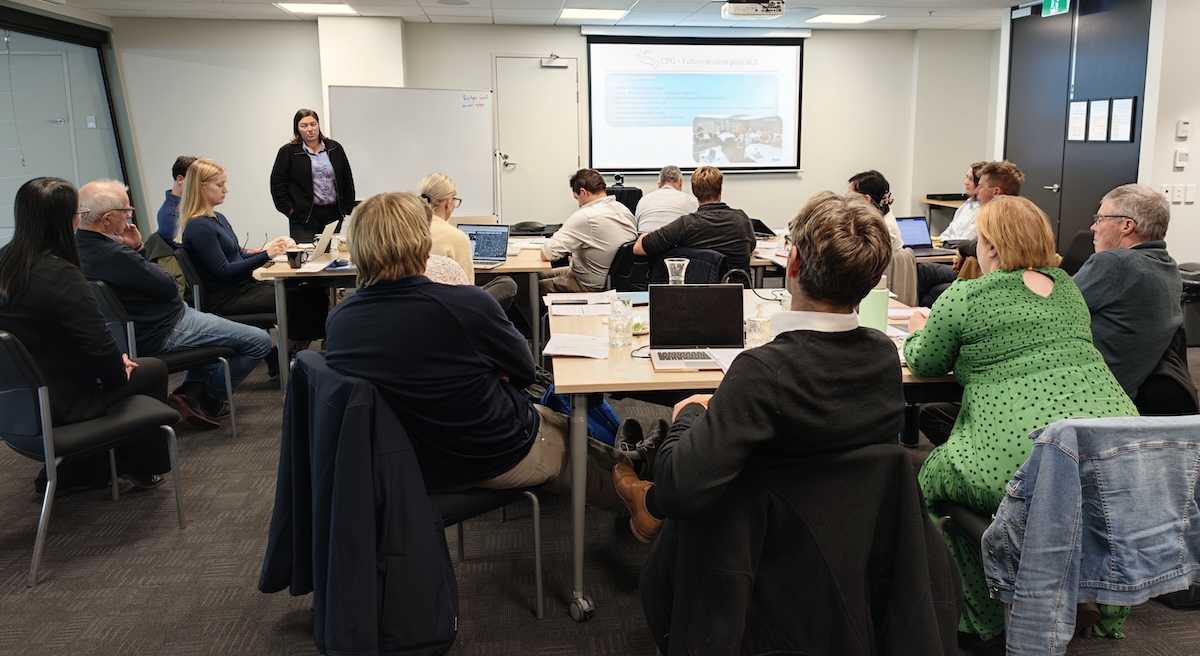
A Lighter Touch (ALT) hosted the 2026 Crop Protection Gaps Workshop earlier this month, bringing together representatives of 13 crop sectors, alongside researchers, technical specialists and industry stakeholders, to review priority crop protection gaps and discuss opportunities for future collaboration after ALT ends in March next year.
ALT technical lead Bruno Gatimel highlighted the importance of robust information and collaboration in supporting future crop protection decisions.
“As we identify crop protection priorities, it is essential that our decisions are supported by facts and robust information,” Bruno says. “Data helps us monitor trends, benchmark progress, measure outcomes, and ensure we are focusing our efforts where they can deliver the greatest benefit.”

ALT technical lead Bruno Gatimel.
He also stressed the value of collective action across sectors. “Many of the challenges facing individual sectors are shared across the industry, whether they relate to key pests, diseases, resistance management, or regulatory pressures. By sharing knowledge, experiences, and resources, we can develop more coordinated approaches and achieve better outcomes than if we work in isolation.”
Bruno says this collaborative approach was one of the main reasons ALT was set up, to provide a platform that sectors could identify common gaps and find solutions collaboratively. “It’s good to see at the culmination of six years of work we have achieved this.”
Results from the crop protection data collected in advance of the workshop from ALT sectors showed 48 pests and 46 diseases were ranked as the highest or second highest priority gap. This equated to 60% of all crop protection gaps identified by survey respondents.
Limited existing control options was the main reason cited by respondents for the gaps identified, with developing resistance the second highest, increasing from 9% last year to 20% this year. Workshop attendees suggested this was due to the number of tools available to growers continuing to decrease, increasing the risk of resistance developing.
This year was the sixth annual Gaps workshop ALT has hosted to inform efficacy and residue trial work undertaken through the programme. To date, 121 products have been evaluated through ALT efficacy trials, of which 48 were biological solutions, 72 softer chemistry and two were physical products. More trials will be undertaken this coming spring and summer before ALT ends.
Bruno says products evaluated were innovative and compatible with integrated pest management practices. Many were new products not yet registered in New Zealand, but were at least halfway through the regulatory process, meaning data from the trials can contribute to the datasets required for registration.
The day included presentations from Andrew Pitman (FAR) and Nigel Rowe-Lucas (Process Vegetables NZ), Nicola Park (Bioeconomy Science Institute) and Dereck Ferguson (NZBSC), alongside discussion sessions exploring current crop protection priorities, emerging solutions and the future of the GAPs framework.
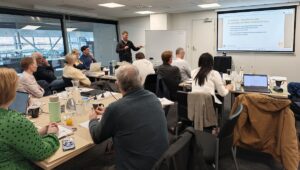
Dereck Ferguson presents at the 2026 Crop Protection Gaps Workshop.
One of the workshop’s featured case studies focused on collaborative Ascochyta blight trials in peas, involving ALT, FAR and Process Vegetables NZ. The project evaluated biological and softer chemistry options under commercial growing conditions across four trial sites in Canterbury and South Canterbury.
While these products are not yet available to growers, the collaborative approach demonstrated with this trial work was highlighted as an example of how sectors and registrants can work together to generate datasets that support future product registrations and label extensions, particularly for minor-use crops.
The workshop also explored the long-term future of crop protection gap collection and coordination after the ALT programme concludes in March 2027. Feedback from survey data showed participants strongly value the opportunity the annual Gaps platform provides for cross-sector collaboration, knowledge sharing and helping identify shared priorities across industries.
One attendee said his fruit sector had more in common with the arable and vegetable sectors in terms of their market focus, and their priority gaps for pests and diseases, than any of the other fruit crops, so he valued the conversations the Gaps workshop enabled with sectors he did not normally have interaction with.
Representatives from Horticulture New Zealand committed to supporting vital elements of the Gaps framework in the future. This will include ongoing data collection, maintaining pan-sector priority lists and facilitating collaboration with crop protection companies and industry groups.
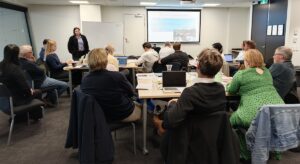
Rebecca Fisher from Horticulture New Zealand addresses attendees during the workshop.
Bruno said the workshop reinforced both the scale of the challenges facing horticulture and the importance of maintaining collaborative momentum.
“The workshop highlighted that while many sectors face different production systems and priorities, there are also many shared challenges and opportunities,” he said. “The continued willingness across sectors to collaborate, share insights and work towards practical solutions provides a strong foundation for future crop protection work post-ALT.”
The 2026 workshop was the final Crop Protection Gaps Workshop to be delivered under the A Lighter Touch programme, which concludes in March 2027.
