
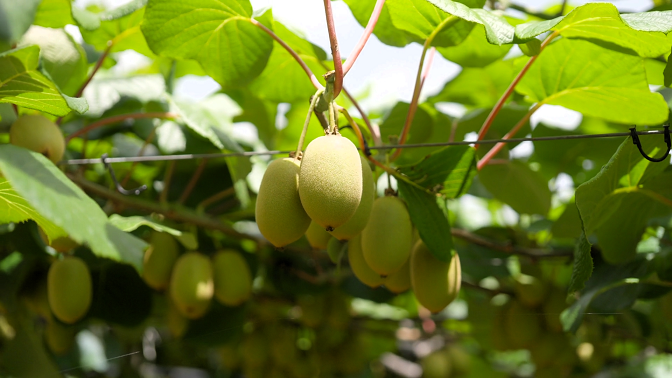
Successful extension of biologicals depends not only on the efficacy of the product, but also on the system that surrounds its introduction into a crop protection programme, a study of biopesticide uptake has found.
These were among key findings from a case study prepared as part of the A Lighter Touch awareness and integration of biologicals project. Prepared by extension experts Scarlatti, the case study aimed to identify lessons from the commercialisation and extension of biological crop protection products in New Zealand and provide guidance for product groups across the horticulture, arable, and viticulture sectors.
The biological products considered as part of the case study included Aureo Gold, a biological for managing Psa in kiwifruit, as well as other biopesticides from the apple and winegrape sectors. Also included were pheromone products for the control of lepidopteran pests.
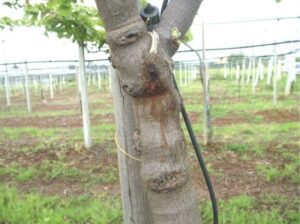
Pseudomonas syringae pv. actinidiae (PSA) is a bacterial disease in kiwifruit that causes cankers, wilting and a red ooze can form. Credit: MPI.
While sectors involved had different structures, market drivers, and levels of maturity with biologicals, the case study found common extension lessons could be drawn. Extension was found to be more effective when:
- a collaborative sector environment exists,
- extension practitioners have access to technical experts,
- grower-facing information about the product is developed with an understanding of their needs and perspectives,
- messaging about the product is distributed in a unified and coordinated manner, and
- efforts are sustained over time, building trust and familiarity.
A combination of different extension activities such as one-on-one advice, peer-to-peer learning and guided on-farm trials were recommended to reach a wide audience and to create an extension system that meets growers where they are.
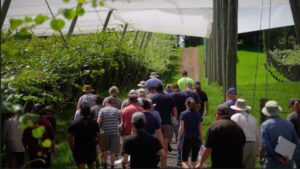
Kiwifruit growers during a field day.
These factors for success have been drawn together to develop an Awareness and integration of biologicals checklist resource. This two-page practical guide helps product groups assess their product and system readiness and strengthen extension planning for extending biological solutions.

Two page Biologicals checklist.
The checklist is broken into two sections, the first of which helps product groups determine, before investing in extension, whether the biological is a good fit for their sector, and if the system around it is ready to support growers learning how to incorporate it into their crop protection programmes.
The second section of the resource is focused on extension planning around introducing a biological product. It includes guidance on developing answers for questions growers are likely to ask, determining the most effective extension activities, what resources will be required to support these activities, and how information will be communicated.
The Awareness and integration of biologicals checklist is one of a number of resources being developed as part of the biologicals awareness and integration project, along with training workshops and extension support from Scarlatti. The focus of this work is to support sectors in driving uptake of more sustainable crop protection tools, many of which are biological solutions.
Read the case study of biopesticides here and view the checklist resource here.
